Key Takeaways
- Zero-stretch polyester construction prevents dangerous energy buildup during winching operations, unlike stretchy nylon recovery straps
- 35,000 lb certified break strength provides reliable anchor point capacity for heavy-duty vehicle recovery situations
- Multi-functional design serves as tree saver, tow strap, and winch extension, reducing gear weight for overlanders
- Proper tree protection techniques prevent ring-barking damage that can lead to trail closures and environmental harm
- Reinforced construction features handle extreme abuse through aggressive eye loop stitching and protective sleeves

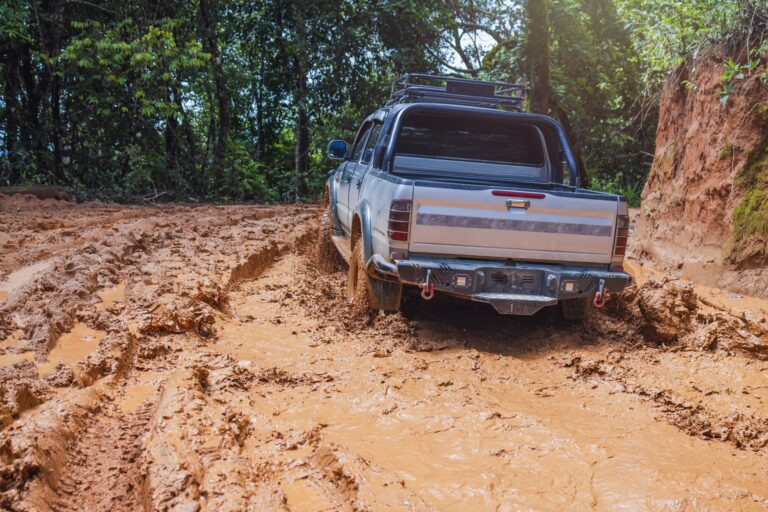
When a 7,000-pound truck is buried axle-deep in mud and the nearest tow service is 50 miles away, the difference between a successful self-recovery and spending the night in the wilderness often comes down to having the right anchor system. Heavy-duty tree saver straps represent the critical link between winch and anchor point, yet many off-roaders unknowingly compromise their safety by choosing the wrong materials or construction.
35,000 lb Certified Heavy-Duty Strength
The foundation of any reliable recovery operation starts with certified strength ratings that can handle real-world loads. Unlike budget straps that make inflated claims without testing, quality tree savers undergo rigorous lab certification to verify their actual break strength. This testing process ensures the strap meets stated ratings under controlled conditions, providing predictable performance when maximum loads are applied.
For heavy-duty applications, a 35,000 lb minimum breaking strength (MBS) provides the necessary safety margin for winching operations involving larger vehicles or challenging recovery angles. Sunferno’s 35,000 lb tree saver strap delivers this certified capacity with lab-tested performance, establishing a reliable foundation for demanding recovery scenarios.
The Working Load Limit (WLL) calculation divides the MBS by a safety factor, typically 2-to-1 for recovery gear, resulting in a 17,000 lb safe working capacity. This substantial margin accounts for dynamic loads, angle factors, and wear that occur during actual field use, ensuring the strap performs safely even when conditions aren’t perfect.
Low-Stretch Polyester vs High-Stretch Nylon Applications
Why High Stretch Creates Misapplication Risks
Material selection fundamentally determines how a strap behaves under load, yet many users mistakenly assume all recovery straps function similarly. High-stretch nylon straps with 15-30% elongation are specifically engineered for kinetic recovery operations, where stored energy provides the pulling force. However, this same stretch characteristic becomes dangerous when used as a static anchor point during winching.
When a stretchy strap is used for winching, it acts like a giant rubber band, storing kinetic energy as the winch applies tension. If the strap fails under this stored energy, it can snap back with lethal force, turning the failed strap into a projectile. This energy storage also creates unpredictable load transfer to the anchor point, making it difficult to maintain consistent pulling direction during recovery.
Polyester’s Controlled Tension for Static Pulls
Zero-stretch polyester construction eliminates energy storage by maintaining constant length under load, providing predictable tension transfer from winch to anchor point. This characteristic is necessary for controlled winching operations where steady, consistent pulling force is required. The lack of elasticity also prevents the dangerous snapback potential that makes nylon straps unsuitable for static anchor applications.
Polyester’s dimensional stability under load ensures that winch line tension translates directly to pulling force without the energy losses associated with strap elongation. This direct force transfer provides more efficient winching and better control over vehicle movement during recovery, especially critical when maneuvering around obstacles or maintaining specific pulling angles.
Reinforced Design Handles Extreme Abuse
Eye Loop Stitching Under Full Load
The eye loops represent the highest stress concentration points on any tree saver strap, where the entire load is transferred through stitched connections. Aggressive stitching patterns distribute loads across multiple thread paths, preventing single-point failures that can occur with minimal stitching patterns. Quality construction uses heavy-duty thread and overlapping stitch patterns that maintain integrity even when the webbing approaches its breaking point.
Reinforcement extends beyond just thread count to include stitch geometry and backing material that spreads loads across wider areas. This construction approach ensures that eye loops won’t fail prematurely, maintaining full strap capacity even under sustained heavy loads or repeated use cycles.
Protective Sleeve Guards Strap and Tree
Protective sleeves serve dual purposes: protecting both strap and tree bark from abrasion damage while providing a secondary benefit of reducing direct contact with rough surfaces during hookup. Materials like Cordura or neoprene provide cut resistance and cushioning that reduces wear at critical contact points. This protection becomes especially important during extended winching sessions where friction can quickly degrade unprotected webbing.
The sleeve also creates a buffer zone that prevents direct metal-to-bark contact, reducing the risk of cutting into tree surfaces during high-load operations. This protection helps preserve anchor trees and demonstrates responsible trail use that supports continued land access.
High-Visibility Safety in Low Light
Neon colors like bright green provide crucial visibility during recovery operations, especially in forested environments or low-light conditions where dark straps can become nearly invisible. This visibility factor becomes critical for safety, allowing team members to clearly see strap positioning and avoid dangerous areas during winching operations.
High visibility also aids in post-recovery gear collection, preventing expensive straps from being left behind in challenging terrain or poor lighting conditions. The high-contrast colors make it easier to verify proper strap routing and identify potential chafe points before applying load.
Multi-Functional Versatility Saves Weight and Cost
Overlanders and remote travelers face constant weight and space constraints, making multi-functional gear necessary for efficient packing. A quality tree saver strap can serve multiple roles beyond its primary anchor function: short tow strap for quick pulls, winch line extension when additional reach is needed, or ground anchor strap for securing loads or equipment.
This versatility eliminates the need to carry separate specialized straps for each application, reducing total gear weight while maintaining capability. The cost savings from consolidating multiple functions into a single high-quality strap often justifies the initial investment, especially when compared to purchasing several single-purpose alternatives.
The 3-inch width and 8-foot length provide optimal dimensions for most applications, offering sufficient surface area for load distribution while maintaining manageable size for storage. Included accessories like wrap ties and carry bags improve organization and protect the strap during storage and transport.
Tree Protection Prevents Trail Closures
Ring-Barking Damage from Direct Winch Lines
Direct contact between steel winch cables or chains and tree bark creates concentrated pressure that can cut through the bark layer completely around the trunk. This ring-barking damage severs the tree’s nutrient transport system, eventually killing even large, healthy trees. The resulting dead trees create safety hazards and often lead to trail closures or access restrictions.
Land management agencies increasingly monitor popular recovery areas for tree damage, and evidence of improper winching techniques can result in immediate area closures. Using proper tree protection demonstrates responsible land use and helps preserve access for future users.
Proper Wrapping Technique for Tree Health
Effective tree protection requires wrapping the strap low around the base of a sturdy tree, where the trunk diameter is largest and the root system provides maximum anchoring strength. The strap should lay flat against the bark to distribute pressure evenly across the maximum surface area, preventing concentrated loads that can damage bark or cambium layers.
Tree selection is equally important: choose healthy trees with trunks at least 12 inches in diameter, avoiding dead, diseased, or leaning trees that may not provide reliable anchoring. The 3-inch strap width distributes loads effectively across tree surfaces while the polyester material won’t stretch and concentrate forces at contact points.
Sunferno Delivers Certified Performance for Heavy-Duty Recovery
The combination of certified 35,000 lb break strength, zero-stretch polyester construction, and reinforced design details creates a tree saver strap that handles the extreme demands of heavy-duty vehicle recovery. Lab testing validates the performance claims, while quality construction ensures reliable field performance when conditions are challenging and failure isn’t an option.
Quality control standards ensure consistent manufacturing that extends beyond just meeting minimum specifications. This attention to detail translates into predictable performance characteristics and extended service life under demanding use conditions.
For off-roaders, overlanders, and remote travelers who depend on their recovery gear in critical situations, investing in certified, purpose-built equipment provides the reliability required for safe, successful vehicle recovery operations.
Sunferno specializes in heavy-duty vehicle recovery equipment designed for serious off-road enthusiasts who demand certified performance and reliable field operation at https://sunferno.com.
Company: Sunferno City: Tiruchirappalli Address: Sunferno (OPC) Private Limited Website: https://sunferno.com >