Key Takeaways
- Breaking strength ratings can mislead ranch operators – while a 35,000 lb strap may offer different working capacities depending on manufacturer specifications, understanding the difference between maximum breaking strength and safe working limits is critical for equipment selection.
- Safety ratios of 3:1 to 7:1 protect equipment and operators during recovery operations where forces can significantly exceed static loads.
- Ram 1500 recovery operations benefit from proper working load calculations that account for vehicle weight, load conditions, and force multiplication during extraction.
- Material construction and attachment methods determine recovery safety more than maximum breaking strength alone.
- Ranch applications extend beyond vehicle recovery to include tree clearing, debris removal, and equipment extraction tasks.

Ranch and farm recovery operations demand equipment that delivers reliable performance when tractors bog down in muddy fields or utility vehicles get stuck clearing brush. Understanding the difference between breaking strength and safe working capacity ensures operators choose recovery straps that protect both equipment and personnel during demanding agricultural tasks.
Why Breaking Strength Ratings Can Mislead Ranch Recovery Operations
Breaking strength represents the absolute maximum force a strap can withstand before catastrophic failure, but this rating creates a dangerous misconception for ranch operators. A strap rated at 35,000 lb breaking strength doesn’t mean it can safely handle 35,000 lb loads during recovery operations. The breaking strength indicates the point where the strap will snap completely, potentially creating deadly projectiles and causing severe equipment damage.
Ranch recovery involves forces that can significantly exceed the static weight of stuck equipment. When a Ram 1500 pulls against stuck equipment, kinetic energy and dynamic loading create forces well beyond the equipment’s actual weight. Recovery operations generate substantial force multiplication, making breaking strength ratings alone inadequate for safety planning.
Professional recovery operations rely on safe working capacity calculations rather than breaking strength maximums. This approach accounts for shock loading, equipment wear, and operator safety margins that prevent catastrophic failures during high-stress agricultural recovery tasks.
Safe Working Capacity: Your Real Recovery Limit
Industry Standard Safety Ratios: 3:1 vs Professional 5:1-7:1 Factors
Working Load Limit (WLL) represents the maximum safe operating capacity of recovery equipment under normal conditions. Industry standards typically apply a 3:1 safety factor for basic tie-down operations, meaning a 35,000 lb breaking strength strap offers approximately 11,667 lb working capacity. However, professional recovery operations demand higher safety margins due to unpredictable dynamic forces and harsh operating environments.
Higher safety factors, often 5:1 to 7:1, are recommended for demanding agricultural recovery applications due to unpredictable dynamic forces and challenging conditions where agricultural equipment typically becomes stuck. The Sunferno 35,000 lb Recovery Tow Strap provides 17,000 lb safe working capacity for demanding farm and ranch recovery tasks. This conservative approach accounts for the shock loading inherent in recovery methods and the challenging conditions where agricultural equipment typically becomes stuck.
Higher safety ratios compensate for factors including strap age, environmental degradation from agricultural chemicals, repeated loading cycles, and the inherently unpredictable nature of recovery forces generated during equipment extraction operations.
Ram 1500 Weight Calculations for Recovery
A properly equipped Ram 1500 with the 5.7L HEMI V8 engine achieves maximum towing capacity up to 12,750 pounds, but recovery operations involve different force calculations than straight-line towing. The truck’s curb weight ranges from approximately 4,700 lb to over 6,400 lb depending on configuration, and must be considered when calculating safe recovery loads, as the pulling vehicle can become unstable or damaged if recovery forces exceed its structural limits.
Effective ranch recovery requires matching strap capacity to both the stuck equipment and the recovery vehicle. Industry recommendations typically state that the breaking strength of recovery equipment should be at least 2.5 to 3 times the gross vehicle weight of the vehicle being recovered to handle dynamic loading. A 17,000 lb working capacity strap allows safe recovery of equipment weighing up to moderate sizes, covering most ranch utility vehicles, ATVs, and lightweight agricultural implements.
Recovery force calculations must also account for soil conditions, angle of pull, and whether the stuck equipment is buried axle-deep or simply lacking traction. Mud suction can significantly increase extraction forces beyond the equipment’s actual weight.
Why 17,000 lb Working Capacity Matches Ranch Needs
Ranch recovery operations typically involve various equipment types with different weight ranges. ATVs average around 700 lbs, UTVs range from 1,000-1,700 lbs (with some models exceeding 2,500 lbs), while small tractors, brush-hogs, and loaded trailers can reach 3,000-8,000 lb. A 17,000 lb working capacity provides adequate safety margin for recovering this equipment even under challenging conditions like deep mud, steep terrain, or partial burial from fallen debris.
The 17,000 lb capacity also matches common ranch clearing tasks beyond vehicle recovery. Tree and debris removal operations often demand substantial pulling forces depending on size and soil conditions. Fallen log clearing and debris removal from storm damage often demands similar capacity levels.
This working capacity rating prevents operators from attempting recoveries beyond safe limits while providing sufficient capability for the vast majority of ranch and farm extraction needs. Equipment requiring higher capacity typically needs professional heavy recovery services rather than on-site ranch equipment.
Static vs Kinetic Recovery for Stuck Equipment
Controlled Stretch Prevents Dangerous Snapback
Recovery straps fall into two main categories: static tow straps with minimal stretch and kinetic recovery straps that utilize energy through controlled stretch. Kinetic recovery straps stretch 20-30% of their length, storing energy during the initial pull and releasing it gradually to break suction and overcome resistance. However, excessive stretch creates dangerous snapback potential if the strap breaks or attachment points fail.
The Sunferno strap’s 7% maximum stretch indicates it functions as a static tow strap rather than a kinetic recovery strap. This limited stretch provides controlled pulling force without the energy storage and release characteristics of high-stretch kinetic ropes. Static straps deliver steady pulling force while maintaining predictable behavior if failure occurs.
Proper recovery technique involves smooth acceleration rather than sudden jerking motions. The recovery vehicle should accelerate gradually and maintain steady pressure as the stuck equipment breaks free. This controlled approach maximizes pulling effectiveness while minimizing shock loading on both vehicles.
Proper Attachment Points for Farm Recovery
Ranch recovery safety depends critically on using proper attachment points rated for recovery forces. Recovery straps must attach only to designated recovery points, tow hitches, or reinforced frame components capable of handling dynamic loads. Bumpers, trailer balls, and decorative accessories lack the structural strength for recovery operations and can fail catastrophically under load.
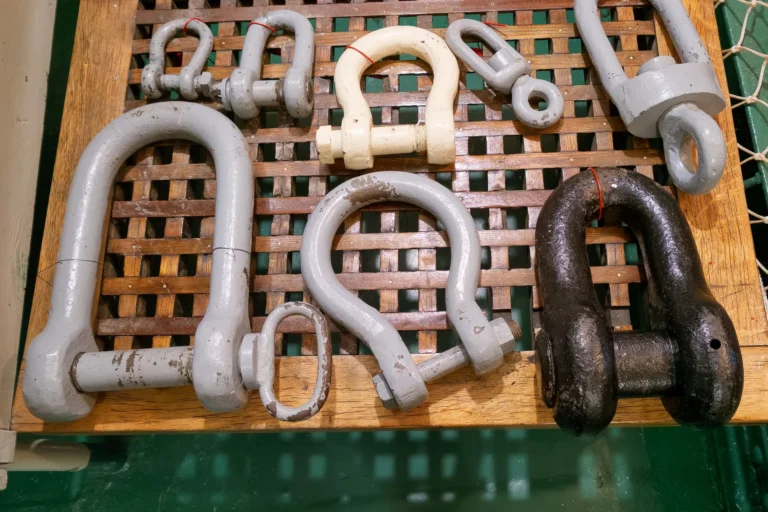
Metal hooks and chains become deadly projectiles during recovery failures and should never be used with recovery straps. Soft shackles or properly rated recovery shackles provide secure connections that fail safely if overloaded. The connection hardware must match or exceed the strap’s working capacity to maintain system integrity.
Ranch operators should inspect attachment points regularly for signs of stress, corrosion, or damage. Repeated recovery operations can weaken attachment points over time, particularly on older equipment subjected to agricultural chemicals and harsh weather conditions.
Ranch-Specific Applications Beyond Vehicle Recovery
Tree and Log Clearing Operations
Ranch expansion and storm cleanup often require removing obstacles and clearing fallen timber from fields and access roads. A 17,000 lb capacity recovery strap provides substantial force for most clearing operations when combined with proper technique and leverage. Large-scale clearing operations should utilize proper rigging techniques including snatch blocks and multiple anchor points to multiply pulling forces safely.
Log clearing operations benefit from the strap’s water-resistant construction, as fallen timber often sits in wet conditions for extended periods. The nylon material resists rot and maintains strength even after exposure to moisture, agricultural chemicals, and organic debris. This durability proves essential for ranch operations where equipment may sit unused for months between applications.
A single recovery strap can generate effective pulling forces well beyond its working capacity when rigged through mechanical advantage systems, enabling removal of substantial obstacles without exceeding the strap’s safe operating limits.
Tractor and Utility Vehicle Extraction
Agricultural operations frequently involve equipment working in challenging terrain where tractors and utility vehicles become stuck in soft ground, steep slopes, or deep furrows. Recovery strap capacity must account for the implement weight as well as the tractor, as brush-hogs, tillers, and other attachments add significant mass and create additional drag during extraction.
Utility vehicle extraction presents unique challenges due to their typically lightweight construction and limited attachment points. ATVs may weigh 400-850 lbs while side-by-sides typically weigh 1,000-1,700 lbs, but both can become deeply buried in mud or snow, requiring substantial extraction forces. The 17,000 lb working capacity provides ample safety margin for these operations while preventing damage to the vehicle’s frame or body panels.
Seasonal applications include extricating equipment from snow drifts during winter feeding operations and pulling vehicles from muddy areas during spring fieldwork. The strap’s bright visibility aids in low-light conditions common during early morning or evening ranch work when visibility is reduced.
Material Construction: Water Resistance for Farm Conditions
Agricultural environments subject recovery equipment to harsh conditions including moisture, chemicals, organic matter, and temperature extremes. Standard recovery straps made from basic nylon or polyester can degrade rapidly when exposed to fertilizers, herbicides, and animal waste common on working ranches. Water-resistant construction prevents absorption of harmful chemicals while maintaining flexibility in cold weather conditions.
The reinforced eye loops on quality recovery straps distribute stress across a larger area, preventing the localized failures common with basic strap construction. Single-ply heavy-duty construction provides superior strength-to-weight ratios compared to multi-ply designs while reducing bulk for storage in limited truck bed space.
Proper maintenance extends strap life significantly in ranch applications. Simple washing after each use removes corrosive materials and prevents chemical breakdown of the strap material. Storage in a breathable carry bag prevents UV degradation while allowing air circulation to prevent mold and mildew in humid conditions.
Sunferno’s 35,000 lb Strap Delivers Verified Ranch Performance
Field testing in agricultural applications demonstrates the importance of matching recovery equipment to specific operational requirements rather than simply choosing maximum breaking strength ratings. The Sunferno 35,000 lb strap’s combination of 17,000 lb working capacity, controlled 7% stretch, and water-resistant construction addresses the primary challenges facing ranch and farm operators during recovery operations.
“Ram 2500 Snatched a Ram 1500 Buried Nose-First in a Creek” – Jacob S. (Verified Buyer)
Both axles submerged in river rock is one of the hardest extractions possible — static pulls had already failed. Jacob let the strap do what it’s designed to do: stretch, store energy, release. One snatch pull, no damage to either truck, no wear on the strap. That’s the safety margin working exactly as intended.
“Broke a Chain and 3 Straps Pulling a Tractor Out of a Ditch — Bought This as the Fix” – Claude (Verified Buyer)
This is the real-world answer to the breaking strength vs working load question. Claude learned the hard way what happens when equipment is rated too close to its limit — a snapped chain destroyed his windshield. The Sunferno’s 35,000lb breaking strength gives ranch users the buffer between working load and catastrophic failure that cheaper straps don’t.
User feedback from ranch and farm applications consistently emphasizes the importance of reliable performance over maximum capacity ratings. Equipment that functions consistently in challenging conditions proves more valuable than higher-rated alternatives that fail prematurely or lack practical features for agricultural use.
Find recovery solutions and expert guidance for ranch and farm applications at Sunferno.com, where practical equipment meets demanding agricultural requirements.