Key Takeaways
- Breaking strength represents the absolute failure point of a recovery strap, while working load limit (WLL) defines safe operational capacity for repeated use
- Safety factors of 3:1 to 5:1 provide protection against equipment failure during vehicle recovery operations
- Environmental damage like UV exposure and moisture significantly reduces actual breaking strength below manufacturer specifications
- Common recovery mistakes include using damaged straps, improper attachment points, and confusing tow straps with recovery straps
- Quality recovery straps balance strength with safety features to protect family SUV owners during roadside emergencies

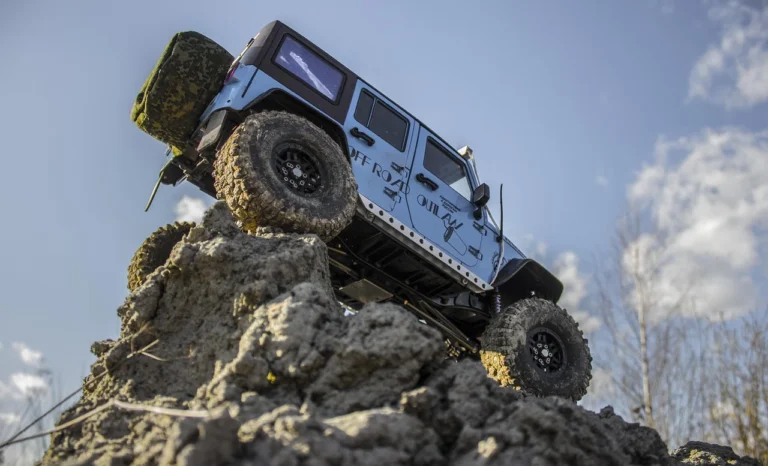
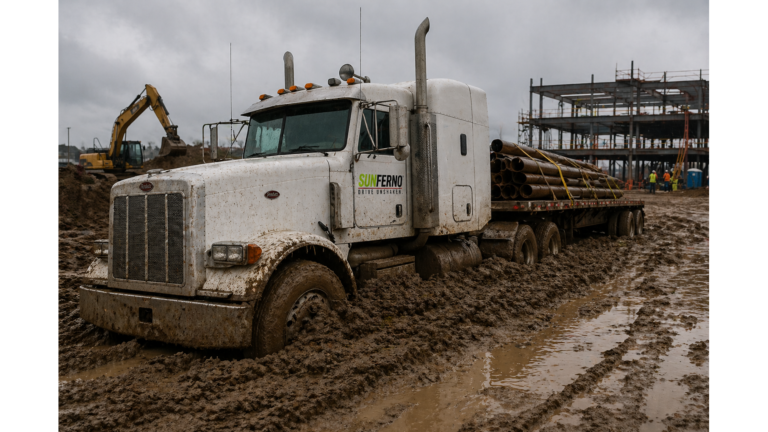
When family road trips take an unexpected turn and the SUV ends up stuck in mud or sand, having reliable recovery gear becomes critical. Understanding the difference between breaking strength and working capacity could be the distinction between a successful recovery and a dangerous equipment failure that puts everyone at risk.
Breaking Strength vs Working Capacity: The Safety Distinction That Could Save Your Life
Breaking strength (MBS) denotes the maximum force a recovery strap can withstand once before failing completely. This represents the absolute limit where the material structure gives way, often resulting in catastrophic failure. Working Load Limit (WLL), however, represents the force the strap is rated to endure routinely and for extended periods without fatiguing or compromising its integrity.
The difference lies in repeated use and safety margins. While a strap might have a 35,000-pound breaking strength, its working load limit might only be 17,000 pounds. This isn’t a manufacturing defect – it’s intentional engineering that prioritizes user safety over maximum theoretical capacity. Sunferno’s recovery strap exemplifies this approach with clearly marked specifications that help family SUV owners make informed decisions about safe recovery operations.
The Working Load Limit serves as the value when selecting recovery equipment, indicating safe operational capacity that accounts for real-world variables like dynamic loading, environmental conditions, and equipment aging. The Minimum Breaking Strength should never be approached during actual use, serving instead as an emergency buffer that could mean the difference between a successful recovery and serious injury.
What Breaking Strength Really Means for Your Recovery Strap
Breaking strength defines the absolute failure point
Breaking strength represents the theoretical maximum load a recovery strap can handle under controlled laboratory conditions before complete structural failure occurs. This measurement assumes perfect conditions: new materials, room temperature, gradual loading, and no environmental degradation. The breaking strength serves as the foundation for calculating all other safety ratings, but it should never be considered a usable working capacity.
Laboratory testing determines breaking strength through controlled tension tests that gradually increase load until the strap fails. This process destroys the strap being tested, which is why breaking strength represents a one-time maximum rather than a repeatable capacity. For recovery operations, this number provides the baseline for establishing safe working limits through mathematical safety factors.
Why you should never approach this limit during recovery
Approaching breaking strength during vehicle recovery creates extreme danger for everyone involved. Dynamic forces during recovery operations can create sudden load spikes that exceed calculated limits, especially when vehicles are stuck in challenging conditions like deep mud or sand. Recovery straps store significant energy when stretched, and failure at high loads can launch strap fragments at lethal velocities.
Real-world recovery situations involve unpredictable variables that laboratory testing cannot replicate. Vehicle momentum, uneven loading, jerky movements, and varying terrain conditions all contribute to force multiplication that can push loads well beyond expected levels. Operating within working load limits provides safety margins that account for these unpredictable factors.
How wet, dirty, cut, chafed, or UV-damaged conditions reduce actual breaking strength
Environmental factors significantly compromise a recovery strap’s actual breaking strength below manufacturer specifications. Wet conditions reduce nylon strength and stretch characteristics, while dirt and debris create abrasive conditions that weaken fibers. UV radiation from prolonged sunlight exposure breaks down nylon molecular structure, gradually reducing strength over time even when the strap appears visually intact.
Physical damage like cuts, chafing, or fraying creates stress concentration points where failure initiates at much lower loads than the original breaking strength. Any damage, even minor nicks or worn areas, can severely compromise a strap’s strength and make it unsafe for use. Chemical exposure from road salt, fuel spills, or cleaning products can also degrade synthetic materials, making visual inspection insufficient for determining actual capacity.
Working Load Limit: Your True Safety Capacity
Working load limit ensures repeated safe use
Working Load Limit represents the maximum load a recovery strap can handle repeatedly without fatigue or degradation. This rating accounts for the cyclical loading and unloading that occurs during normal use, ensuring the equipment maintains its integrity over many recovery operations. Unlike breaking strength, which represents a one-time maximum, WLL defines sustainable performance that family SUV owners can rely on trip after trip.
The WLL calculation incorporates fatigue testing that simulates real-world use patterns, including repeated stretching and relaxing cycles that gradually stress the material. This testing reveals how the strap performs over hundreds or thousands of uses, identifying the safe capacity that maintains structural integrity throughout the product’s intended lifespan. Operating within WLL ensures that each use doesn’t compromise future reliability.
Safety factor ratios explained: why 3:1 to 5:1 beats 2:1
Safety Factor (SF) represents the ratio between breaking strength and working load limit, serving as an indicator of inherent durability and safety margin. A 3:1 safety factor means the strap’s breaking strength is three times higher than its working load limit, providing substantial protection against unexpected load increases or equipment degradation.
Higher safety factors like 4:1 or 5:1 provide additional protection against the unpredictable nature of vehicle recovery operations. These ratios account for dynamic loading, environmental degradation, manufacturing variations, and user error. While 2:1 ratios might seem adequate mathematically, they provide insufficient margin for the real-world variables that family SUV owners encounter during roadside emergencies or light off-roading adventures.
Common Recovery Strap Mistakes That Lead to Accidents
Using damaged or frayed straps
Using recovery straps that show signs of fraying, cuts, wear, or damage significantly increases the risk of catastrophic failure. Even minor damage creates stress concentration points where failure initiates at loads well below the original breaking strength. Frayed edges indicate fiber degradation that extends beyond visible damage, compromising the entire strap’s structural integrity.
Numerous incidents, including severe injuries and fatalities, have resulted from using damaged recovery equipment. The stored energy in a stretched recovery strap converts to dangerous projectile motion when failure occurs, creating lethal hazards for anyone in the rebound zone. Consistent inspection before and after each use helps identify damage that might not be immediately obvious but could lead to failure under load.
Attaching to wrong vehicle points
Correct attachment points are critical for safe recovery operations. Recovery straps must only be connected to engineered recovery points designed to withstand recovery loads. Using tow balls, tie-down eyes, or bumpers creates extreme danger because these components aren’t designed for recovery forces and can become dangerous projectiles if they fail.
Many family SUVs have designated recovery points hidden behind removable covers or integrated into the frame structure. Consulting the owner’s manual or contacting the manufacturer helps identify proper attachment points that can safely handle recovery forces. Improper attachment not only risks equipment failure but can also cause significant vehicle damage that turns a simple recovery into an expensive repair situation.
Ignoring proper safety distance protocols
Maintaining safe distance during recovery operations protects bystanders from rebound hazards if equipment fails. The recommended safety zone extends at least 1.5 to 2 times the length of the unstretched strap on both sides of the recovery line. This distance accounts for the potential rebound path of failed equipment and provides adequate protection for family members or other travelers.
Using a recovery damper, heavy bag, or blanket draped over the strap during recovery operations helps reduce rebound energy if failure occurs. These simple safety measures can significantly reduce injury risk while adding minimal complexity to the recovery process. Establishing and maintaining safety zones becomes especially important when children are present during family road trips.
Confusing tow straps with recovery straps
Tow straps and recovery straps serve different purposes and using the wrong type creates serious safety hazards. Static tow straps, typically made from non-stretching polyester, are designed for steady pulling of free-rolling vehicles. Recovery straps, made from elastic nylon materials, stretch and recoil to provide smooth kinetic energy transfer during stuck vehicle recovery.
Using a static tow strap for recovery operations eliminates shock absorption, creating sudden jolts that can damage vehicles or cause equipment failure. The lack of stretch means all recovery forces transfer directly to attachment points and vehicle structures, often exceeding their design limits. Recovery straps utilize controlled stretch to gradually build pulling force, reducing stress on both vehicles and recovery equipment.
How Sunferno’s Design Balances Strength with Safety Features
Lab-tested 35,321 lb breaking strength with controlled 7% stretch
Sunferno’s recovery strap delivers lab-verified 35,321-pound breaking strength through careful material selection and construction techniques. The controlled 7% stretch characteristic provides optimal energy storage and release for smooth recovery operations without excessive elongation that could create handling difficulties. This stretch rate balances kinetic energy absorption with practical usability for family SUV owners.
The specific stretch percentage prevents the jarring impact associated with static recovery methods while maintaining predictable behavior under load. Too little stretch fails to provide adequate shock absorption, while excessive stretch makes the strap difficult to control and position during recovery operations. The 7% specification represents an engineering compromise that optimizes performance for typical family SUV recovery scenarios.
Reinforced loops, protective sleeve, and recovery guide for SUV safety
Reinforced eye loops distribute attachment forces across a larger area, reducing stress concentration that could lead to premature failure. The protective sleeve shields the strap from abrasion during storage and use, extending service life while maintaining strength characteristics. These features specifically address the needs of family SUV owners who prioritize reliability and longevity in their recovery equipment.
The included recovery guide provides safety information and proper use procedures, helping users avoid common mistakes that lead to equipment failure or injury. This educational component acknowledges that many family SUV owners may be occasional users who benefit from clear, accessible guidance. The combination of robust construction and instructions creates a complete safety package for family adventures.
Why the 2.07:1 safety factor requires careful use within limits
Sunferno’s 2.07:1 safety factor provides a reasonable margin for controlled recovery operations while maximizing usable capacity for family SUV applications. This ratio requires users to stay well within the 17,000-pound working load limit and maintain proper safety protocols throughout recovery operations. The lower safety factor compared to some industrial applications reflects optimization for weight and packaging constraints important to recreational users.
The 2.07:1 ratio demands careful attention to proper use procedures and environmental factors that could reduce actual breaking strength. Users must conduct thorough pre-use inspections, avoid damaged equipment, and maintain appropriate safety distances. This safety factor works effectively when combined with proper education and responsible use practices, but leaves less margin for user error than higher ratios.
Sunferno Delivers Practical Recovery Power for Family SUV Adventures
Family SUV owners need recovery equipment that balances serious capability with practical usability, and Sunferno’s approach addresses both requirements effectively. The 35,321-pound breaking strength handles demanding recovery situations while the 17,000-pound working capacity provides ample margin for typical family SUV applications. The 3-inch width and 20-foot length offer sufficient reach for most roadside and trail recoveries without excessive bulk for storage.
The high-visibility design improves safety during low-light conditions or busy roadside environments, while water-resistant construction handles wet conditions without compromising performance or creating storage hassles. The protective sleeve, reinforced loops, and included storage bag demonstrate attention to the practical details that matter to family travelers who value organization and equipment longevity.
For family adventures that venture beyond paved roads, having reliable recovery capability provides peace of mind that a minor mishap won’t derail the entire trip. The balance of strength, safety features, and practical design makes quality recovery straps a necessary component of responsible family SUV preparation. Understanding the distinction between breaking strength and working load limit ensures that this important safety equipment performs as intended when needed most.
Learn more about recovery solutions and safety equipment at Sunferno, where vehicle recovery expertise meets family-focused design.
Company: Sunferno City: Tiruchirappalli Address: Sunferno (OPC) Private Limited Website: https://sunferno.com >