Key Takeaways
- Using static straps for momentum-based recovery operations can cause severe frame damage to heavy trucks due to sudden shock loads that rigid straps cannot absorb
- Kinetic straps stretch 20-30% under load to absorb energy during momentum-based extractions, while static straps maintain rigid tension for steady towing
- Heavy trucks require recovery straps with 2-3x their vehicle weight in breaking strength – an 80,000 lb semi needs straps rated for 160,000-240,000 lbs minimum
- Frame repairs from improper recovery can cost tens of thousands in specialized laser measurement and restoration work

Heavy truck operators face a critical equipment decision that could mean the difference between a successful recovery and catastrophic frame damage. The wrong choice between kinetic and static recovery straps doesn’t just risk equipment failure – it threatens vehicle integrity and operator safety.
Why Using the Wrong Recovery Strap Can Damage Heavy Truck Frames
Different Types of Heavy Truck Classes
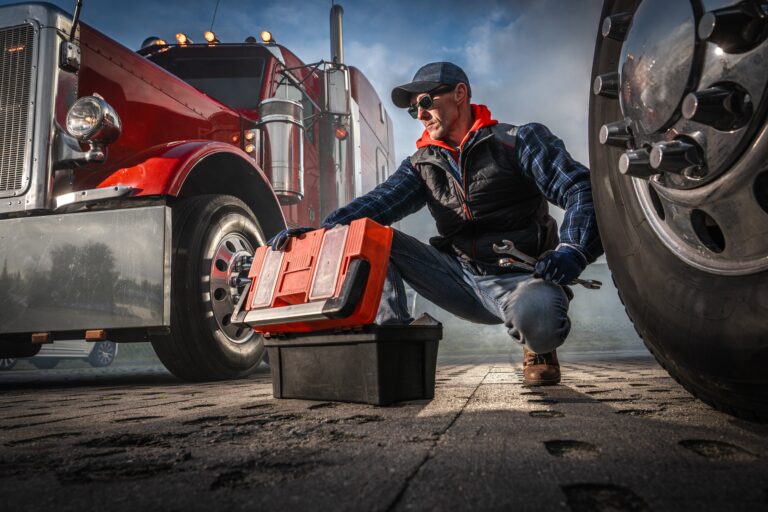
Heavy trucks span multiple classifications, each presenting unique recovery challenges. Class 7 trucks (26,001-33,000 lbs GVWR) like delivery vehicles and small commercial trucks require different recovery considerations than Class 8 semi-trucks weighing up to 80,000 lbs fully loaded. Medium-duty trucks in the 10,000-26,000 lb range, including box trucks and utility vehicles, fall between these extremes but still demand proper recovery equipment selection.
The vehicle’s weight distribution, center of gravity, and frame construction all influence recovery operations. A loaded semi-trailer creates different stress patterns during recovery compared to an empty cab, while box trucks with rear-heavy cargo require careful attention to attachment points and pulling angles.
Different Types of Recovery Straps
Recovery equipment fundamentally divides into two categories: kinetic straps designed for momentum-based extractions and static straps built for steady towing operations. Professional-grade recovery straps like Sunferno’s 35,000 lb capacity models represent the static category, engineered for controlled, non-elastic pulling scenarios.
The material composition differs dramatically between types. Kinetic straps use high-stretch nylon construction that stores and releases energy, while static straps employ low-stretch polyester or polypropylene designed to maintain constant tension without elongation. This fundamental difference in engineering determines their appropriate applications and potential for causing damage when misused.
Understanding Recovery Strap Technologies
Kinetic Straps: 20-30% Stretch Absorbs Shock
Kinetic straps function as mechanical energy storage devices, stretching significantly under load to absorb the momentum from a recovery vehicle’s approach. The nylon construction allows 20-33% elongation, creating a slingshot effect that smoothly transfers energy to extract stuck vehicles. This elasticity prevents the sudden shock loads that can crack frames or snap attachment points.
The stretching action serves as a force multiplier, allowing recovery vehicles to build momentum before contact while the strap gradually applies pulling force. This progressive loading prevents the instantaneous stress spikes that rigid straps create during momentum-based recovery attempts.
Static Straps: Rigid Design for Steady Pulls
Static straps maintain less than 7% stretch under maximum load, constructed from materials like polyester or polypropylene chosen for dimensional stability. This rigid design excels in controlled towing scenarios where predictable tension and minimal elongation ensure steady progress without energy storage effects.
The non-elastic nature prevents bounce-back effects and maintains consistent pulling force throughout the operation. Static straps transfer force directly and immediately, making them ideal for winch-assisted recoveries or slow, steady pulls on firm surfaces where shock absorption isn’t needed.
Heavy Truck Minimum Breaking Strength Requirements
2-3x Vehicle Weight Formula for Safe Recovery
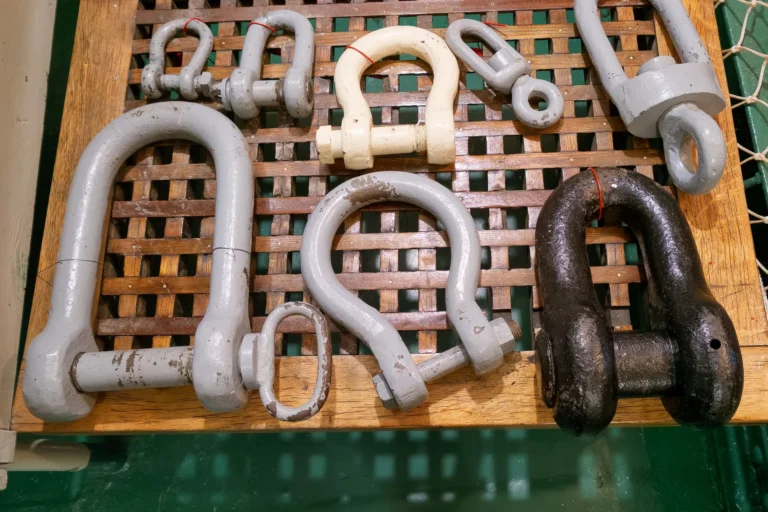
Industry standards mandate recovery straps possess Minimum Breaking Strength (MBS) ratings of 2-3 times the heaviest vehicle’s Gross Vehicle Mass. Professional applications often require even higher safety factors of 3:1 to account for loading conditions, angle pulls, and equipment degradation over time. For shackles in professional applications, a 5:1 safety factor is more frequently cited to handle the additional stresses these components face.
The Working Load Limit (WLL) provides the safe operational threshold, typically calculated as one-third of the breaking strength. This conservative approach ensures equipment operates well within safe parameters even under adverse conditions like wet weather, side-loading, or equipment wear.
80,000 lb Semi Needs 160,000-240,000 lbs MBS
A fully loaded 80,000 lb semi-truck requires recovery straps rated between 160,000-240,000 lbs MBS to meet minimum safety standards. This massive capacity requirement reflects the enormous forces involved in heavy truck recovery operations, particularly when vehicles become deeply stuck in soft terrain.
The calculation becomes more complex with trailer combinations, where the total vehicle weight includes both tractor and loaded trailer. Recovery operations must account for the entire combination’s weight, not just the tractor unit, when selecting appropriate equipment ratings.
Critical Recovery Scenarios for Heavy Trucks
1. When to Choose Kinetic: Stuck in Mud or Snow
Deep mud, sand, or snow conditions require kinetic straps to overcome the suction and resistance holding vehicles trapped. The elastic energy storage allows recovery vehicles to build momentum and transfer that energy gradually, breaking the vehicle free without the jarring impact of rigid pulling.
Kinetic straps excel when vehicles sink beyond their frame rails or become completely immobilized in soft terrain. The stretching action provides multiple opportunities to break suction as the strap cycles through tension and relaxation during the pull.
2. When to Choose Static: Disabled Truck Towing
Mechanical breakdowns on firm surfaces call for static straps that provide steady, controlled pulling force. Highway towing, moving disabled vehicles from parking areas, or repositioning trucks on solid ground benefit from the predictable tension static straps deliver.
Static straps work effectively with winch systems where constant, measured force gradually moves heavy vehicles. The lack of stretch prevents energy loss and ensures all pulling force transfers directly to vehicle movement.
3. Wrong Choice Consequences: Frame Cracks and Strap Failure
Using static straps for momentum-based recovery creates devastating shock loads that can crack truck frames, damage attachment points, or cause catastrophic strap failure. The sudden jolt from rigid straps impacts the vehicle’s structure like a hammer blow, concentrating enormous forces at connection points never designed for such abuse.
Frame damage indicators include uneven tire wear, vehicle drift, misaligned body panels, doors that won’t close properly, and unusual creaking sounds during operation. These symptoms signal structural compromise that requires immediate professional assessment using laser frame measurement tools.
4. When Can Static Strap Be Used for Recovery
Static straps handle shallow recovery situations where vehicles aren’t completely stuck and require only repositioning assistance. Situations involving shallow mud or snow on firm underlying surfaces allow static strap use with careful technique.
The recovery vehicle must advance slowly to remove slack, then maintain steady throttle without sudden acceleration. Ground conditions should support traction aids like mats, and the pulling should involve straight-line pulls to minimize side loading on equipment and vehicles.
Preventing Costly Frame Damage
Frame damage from improper recovery techniques requires specialized repair facilities equipped with laser measurement systems. Heavy truck frame restoration demands precise alignment to factory specifications, with costs frequently reaching significant amounts depending on damage severity.
Prevention centers on matching recovery equipment to the specific scenario. Operator training in proper attachment point selection, understanding load ratings, and recognizing when conditions exceed equipment capabilities prevents most recovery-related damage. Regular equipment inspection for cuts, frays, or wear ensures gear performs as designed when needed.
Certified Recovery Equipment Saves Expensive Repairs
Investing in proper recovery equipment pays dividends in avoided damage and downtime costs. Professional-grade straps feature protective sleeves, reinforced stitching, and clearly marked load ratings that eliminate guesswork during critical recovery operations.
Recovery scenarios demand split-second decisions, but equipment selection shouldn’t be one of them. Carrying both kinetic and static straps appropriate for the vehicle’s weight class ensures operators have the right tool for any situation they encounter.
Its important to select lab-tested certified straps, it helps in avoiding brands that sell lower break-strength straps at a marked up price. For SGS certified professional-grade recovery solutions designed for heavy-duty applications, Sunferno offers high-capacity towing and recovery equipment suitable for demanding commercial applications.
Company: Sunferno City: Tiruchirappalli Address: Sunferno (OPC) Private Limited Website: https://sunferno.com >